SQ-1 Orient Both Layers (OBL)
Introduction
OBL stands for “Orient Both Layers”. Vandenbergh method consists of:
- Cubeshape
- Corner orientation
- Edge orientation
- Corner permutation
- Edge permutation
There is an advanced technique to combine corner and edge permutation, called PBL (permute both layers).
This page introduces an advanced method which combines corner and edge orientation.
Further reference: SQ1 OBL Homepage
Face mnemonics
Each OBL case can be represented by a pair of face mnemonics, one for top layer and one for bottom layer.
Each face can be characterized by two numbers: number of white corners and number of white edges.
Due to symmetry, we may treat 0C4E and 4C0E as the same case.
Hence, there are following 12 categories:
- 0C1E
- 0C2E
- 0C3E
- 0C4E
- 1C0E
- 1C1E
- 1C2E
- 1C3E
- 2C0E
- 2C1E
- 2C2E
- 3C0E
If the top layer is 2C0E, then the bottom layer must be 2C0E as well. In general, only same categories can be paired.
| Case Category | Case Name | Case Visualization |
|---|---|---|
| 0C1E | 1E | 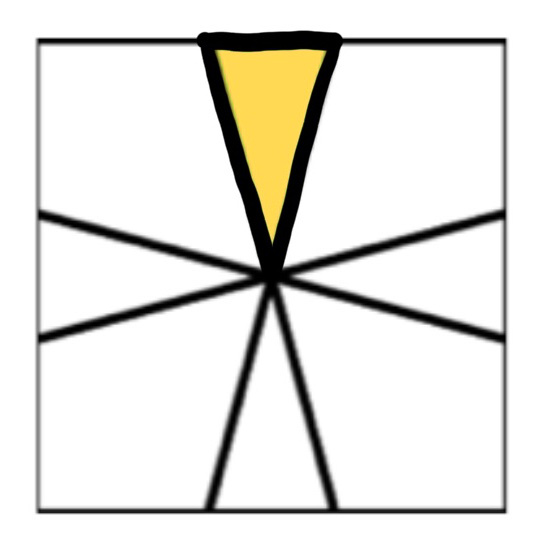 |
| 0C2E | 2E Adj | 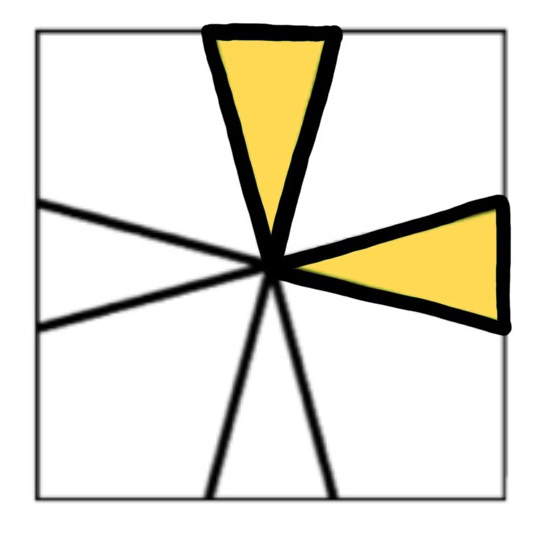 |
| 2E Opp | 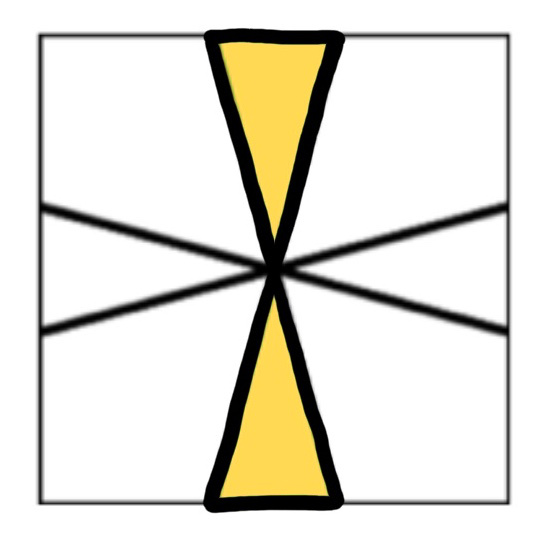 |
|
| 0C3E | 3E | 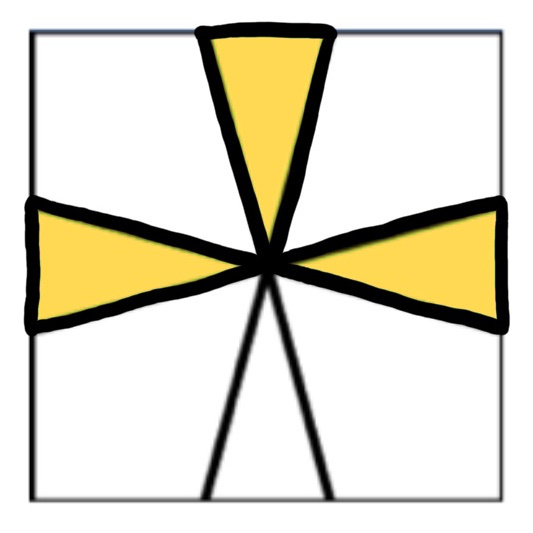 |
| 0C4E | 4E | 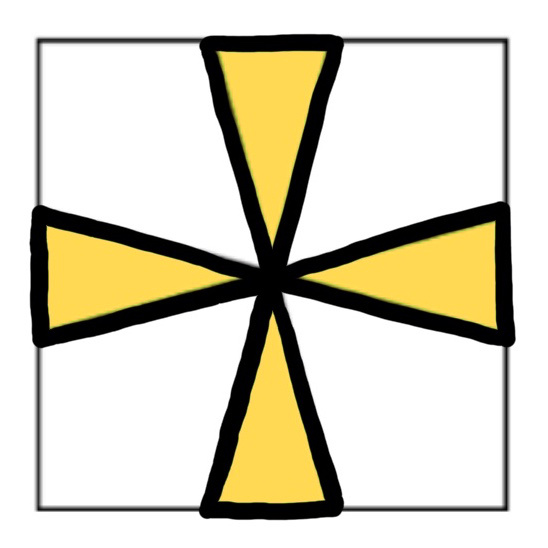 |
| 1C0E | 1C | 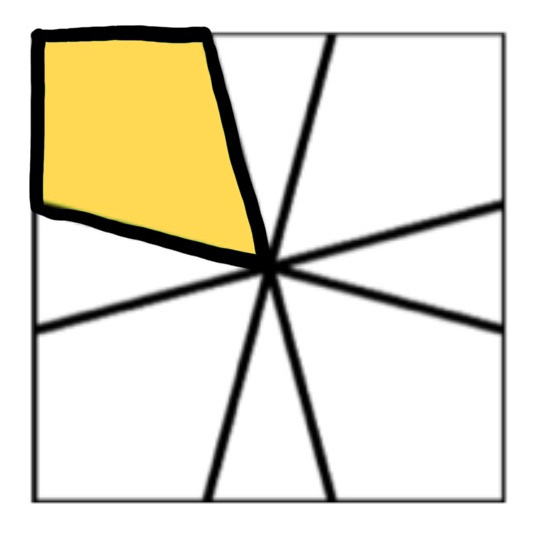 |
| 1C1E | Tent | 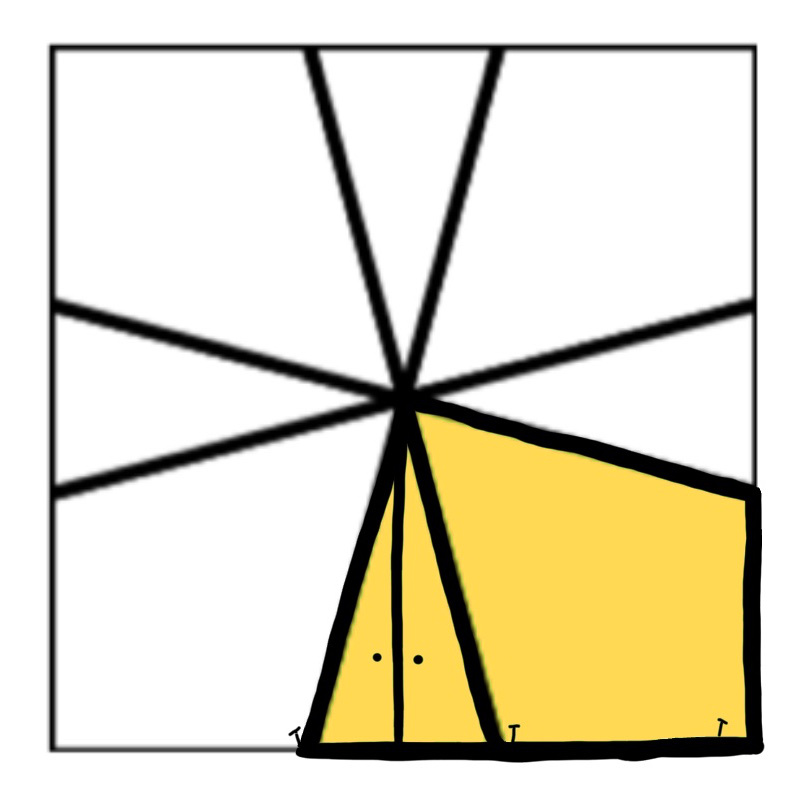 |
| Whale | 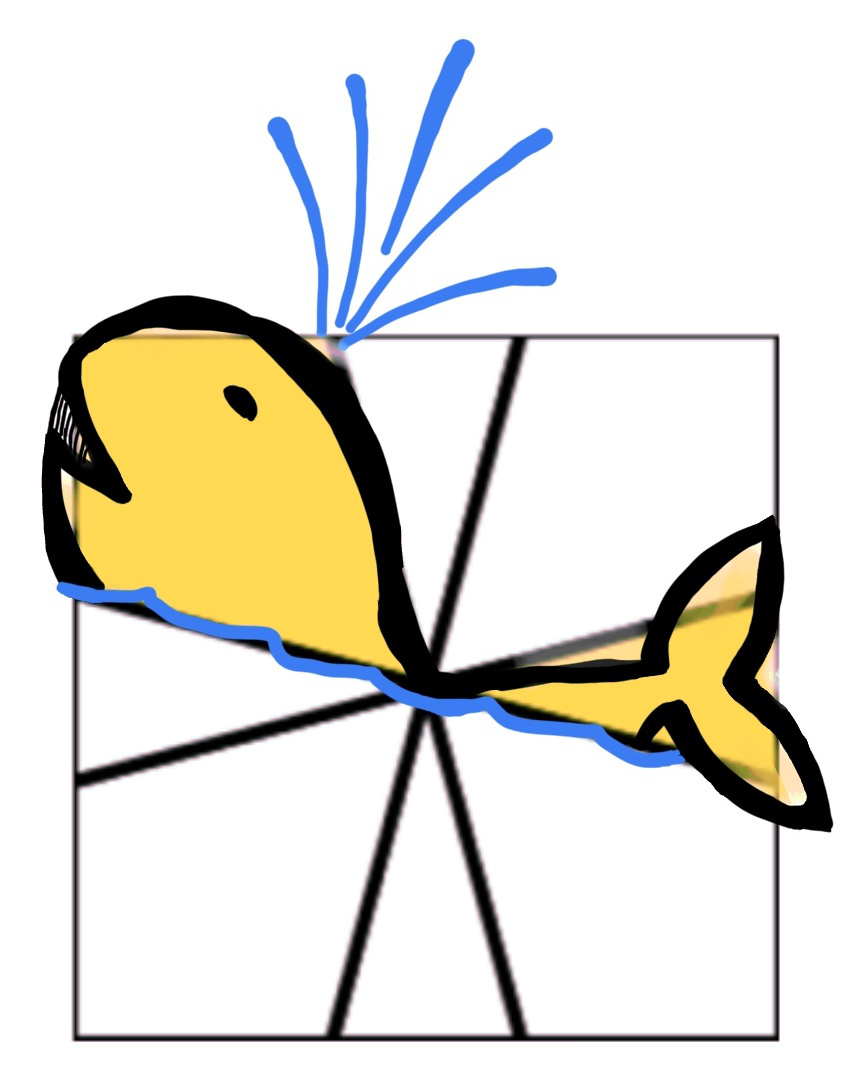 |
|
| 1C2E | Axe | 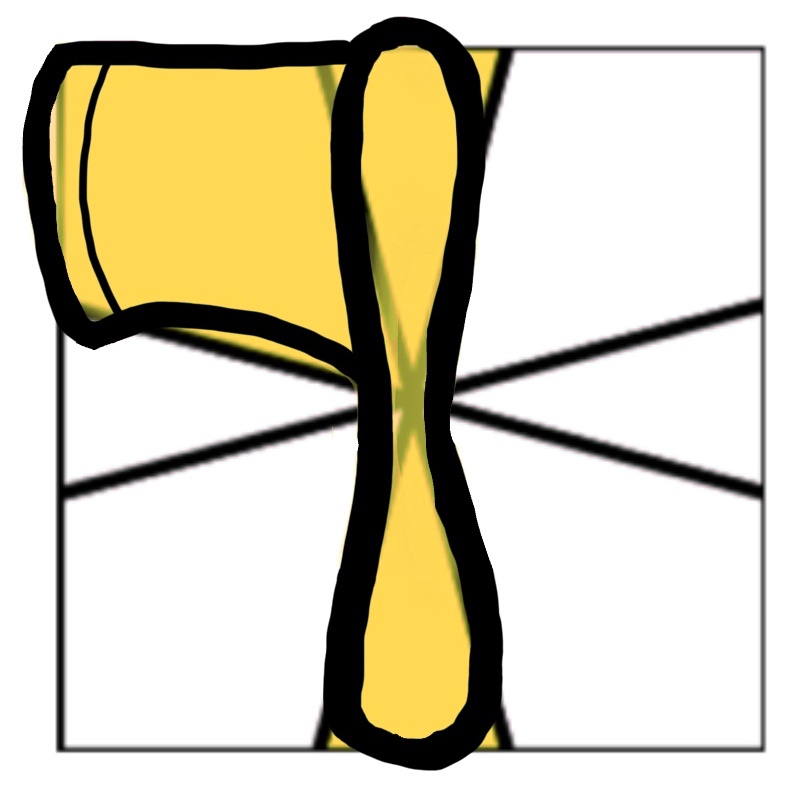 |
| Gem | 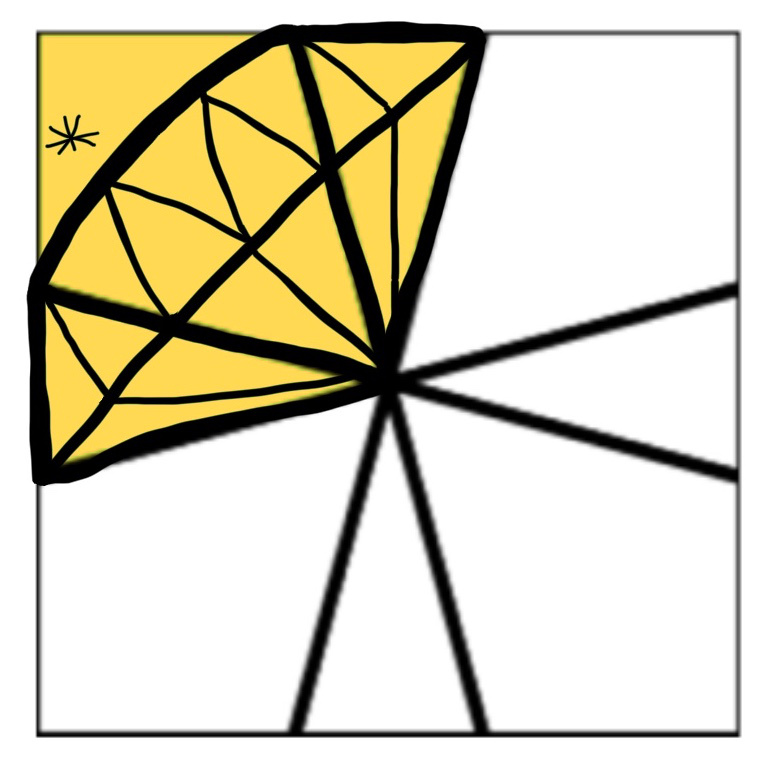 |
|
| Spill | 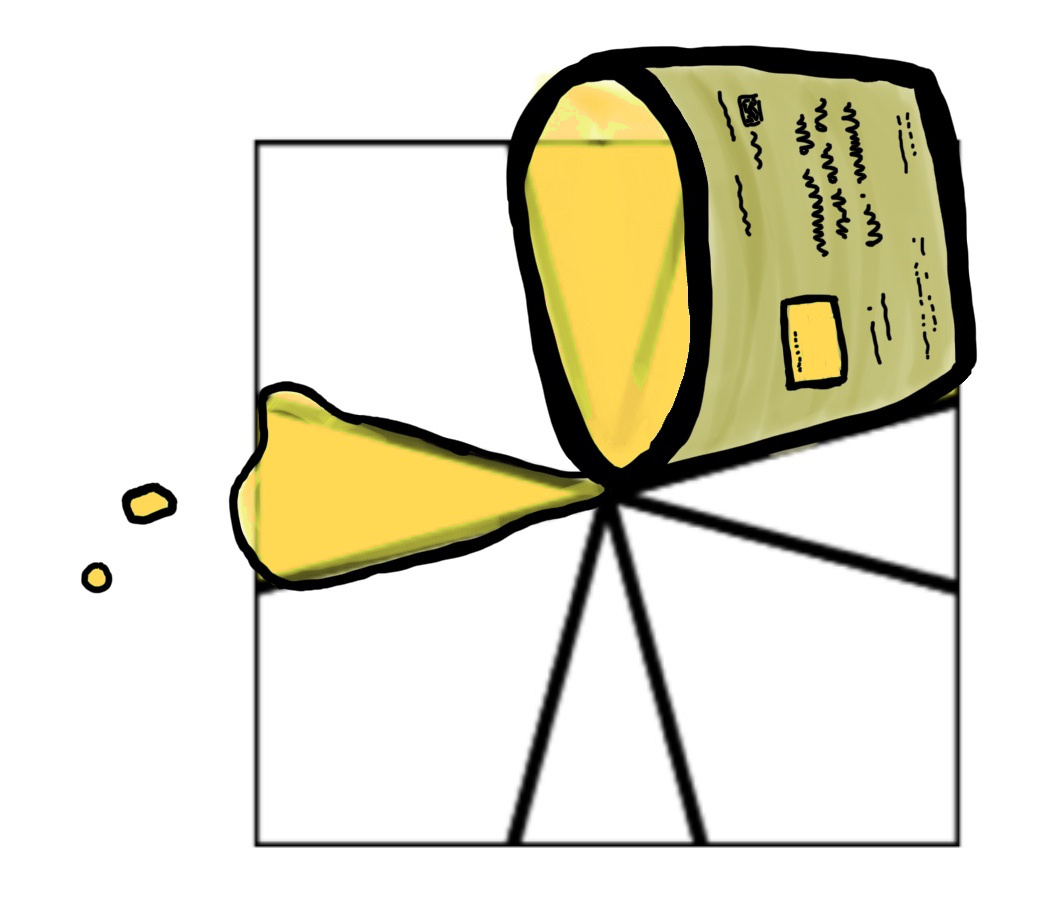 |
|
| Squid | 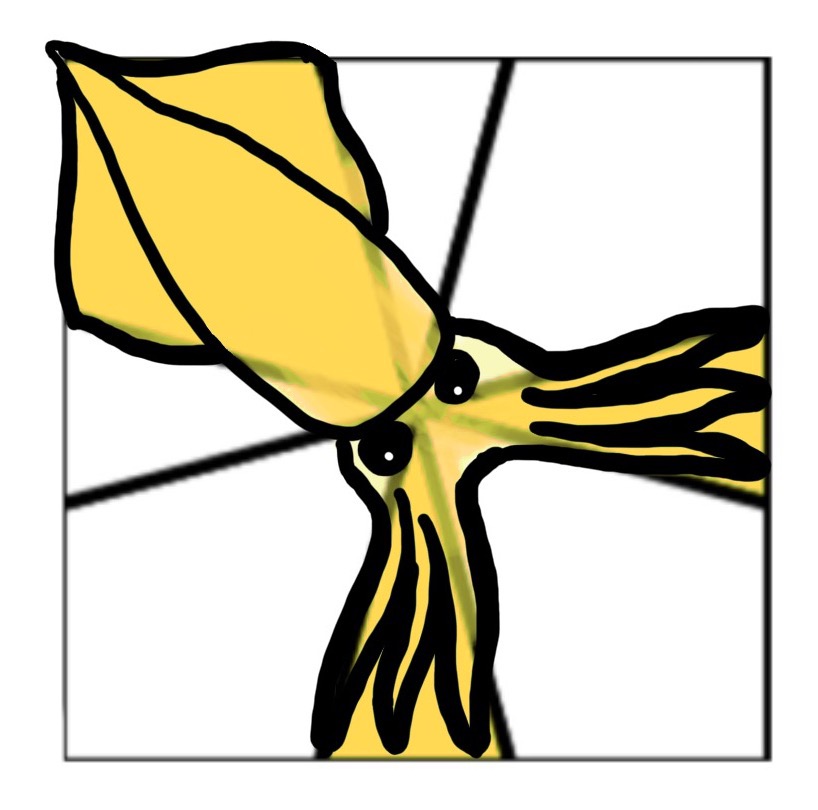 |
|
| 1C3E | Bunny | 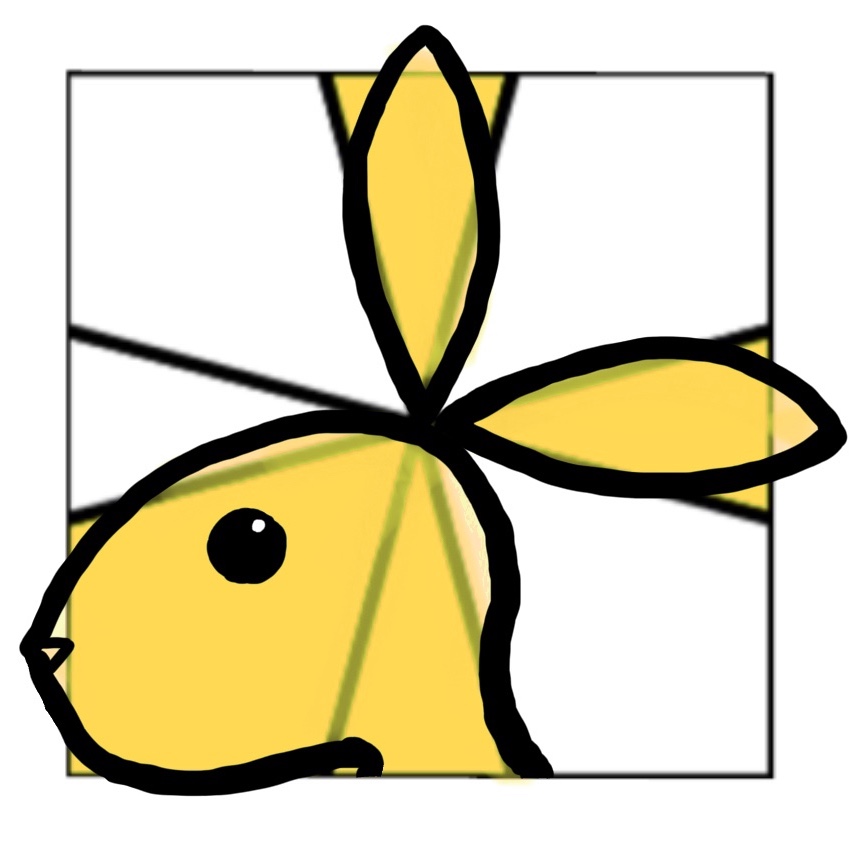 |
| Thumb | 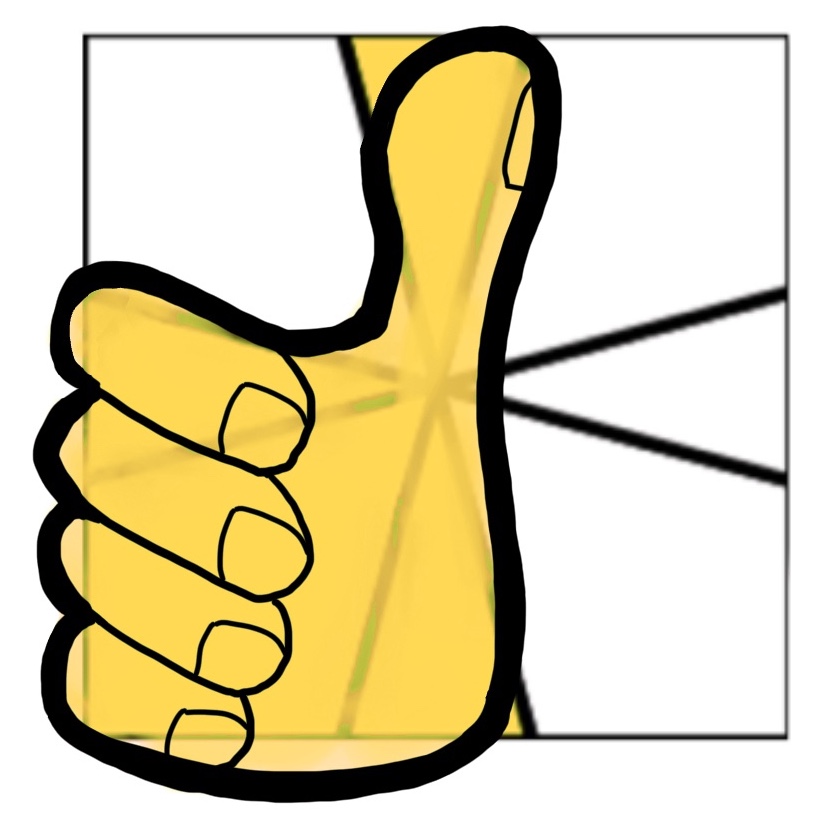 |
| Case Category | Case Name | Case Visualization |
|---|---|---|
| 2C0E | 2C adj | 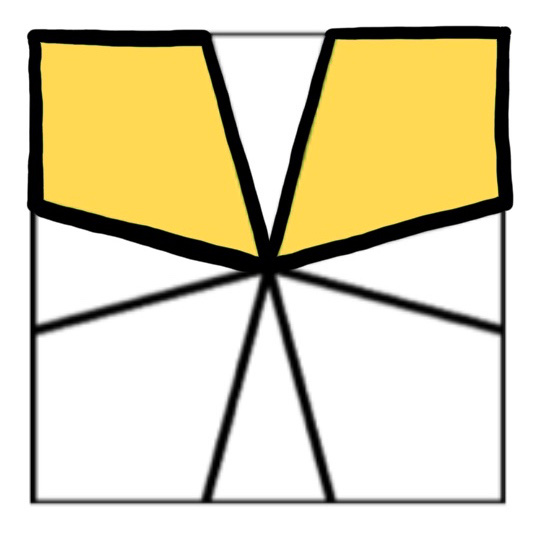 |
| 2C diag | 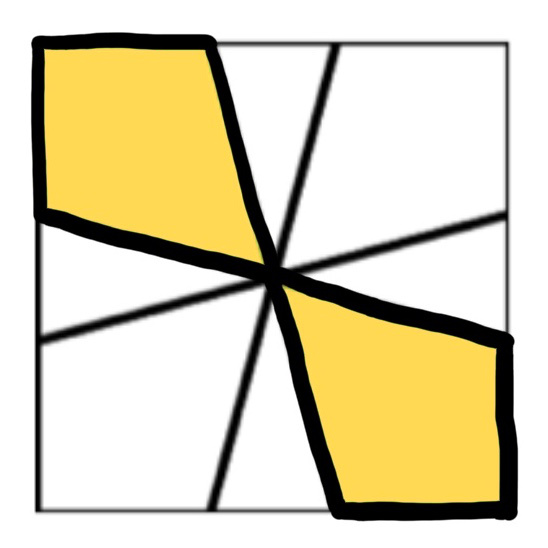 |
|
| 2C1E | Bird | 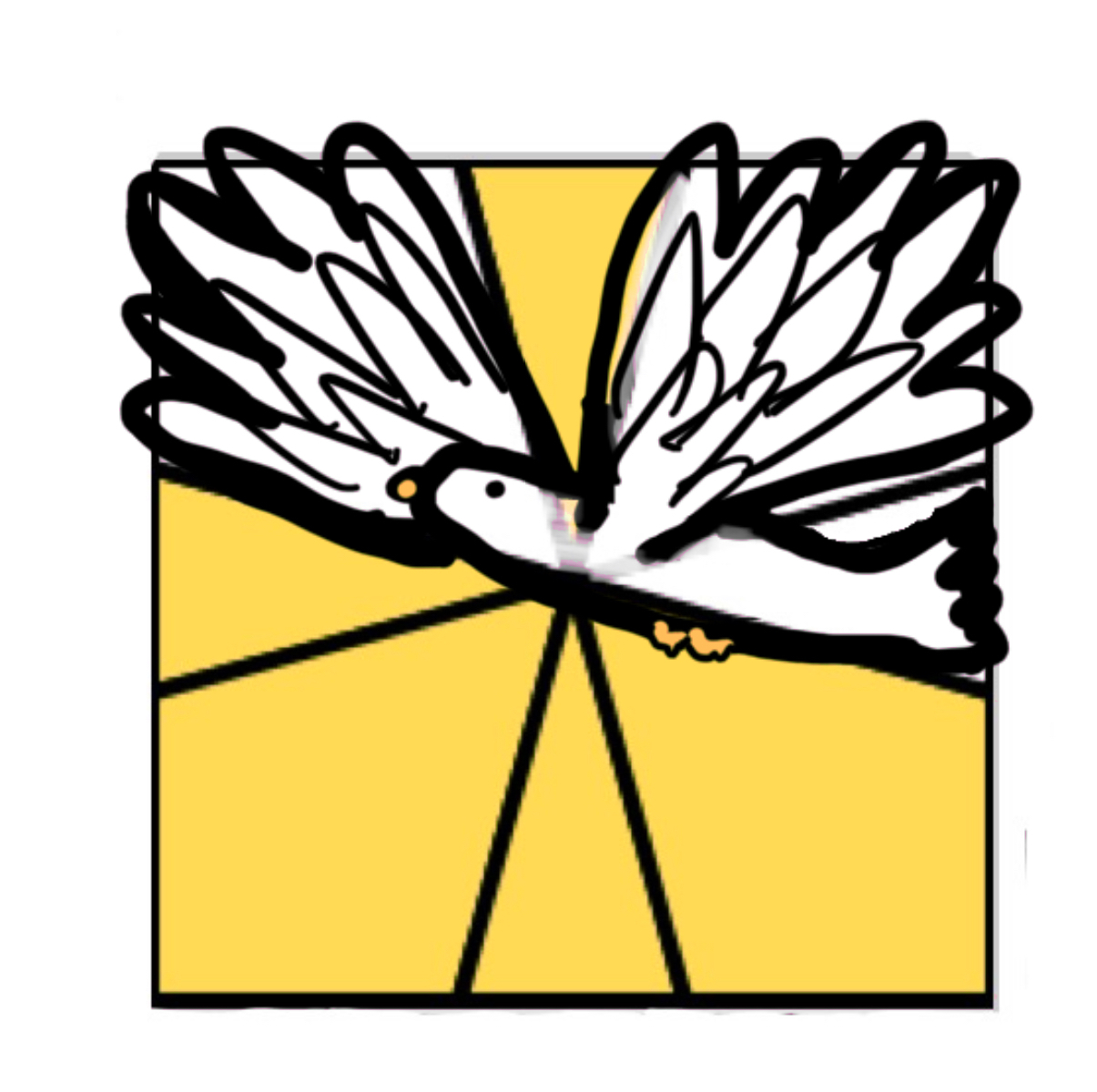 |
| Y | 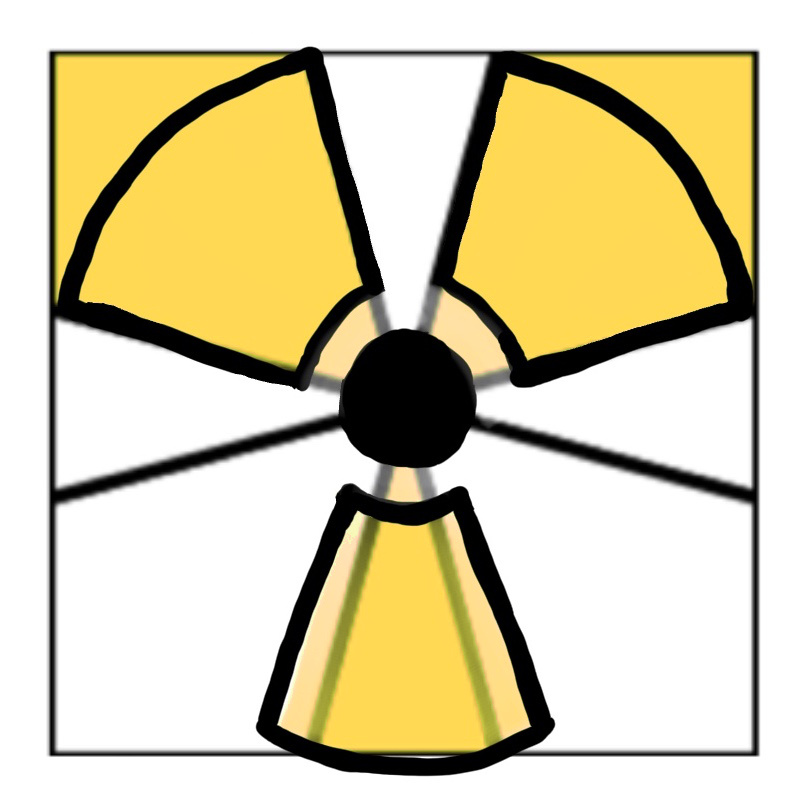 |
|
| Dog | 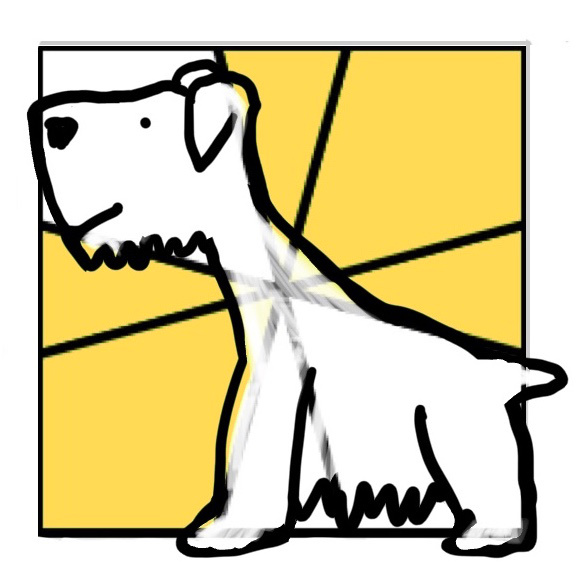 |
|
| Shell |  |
|
| 2C2E | Cut | 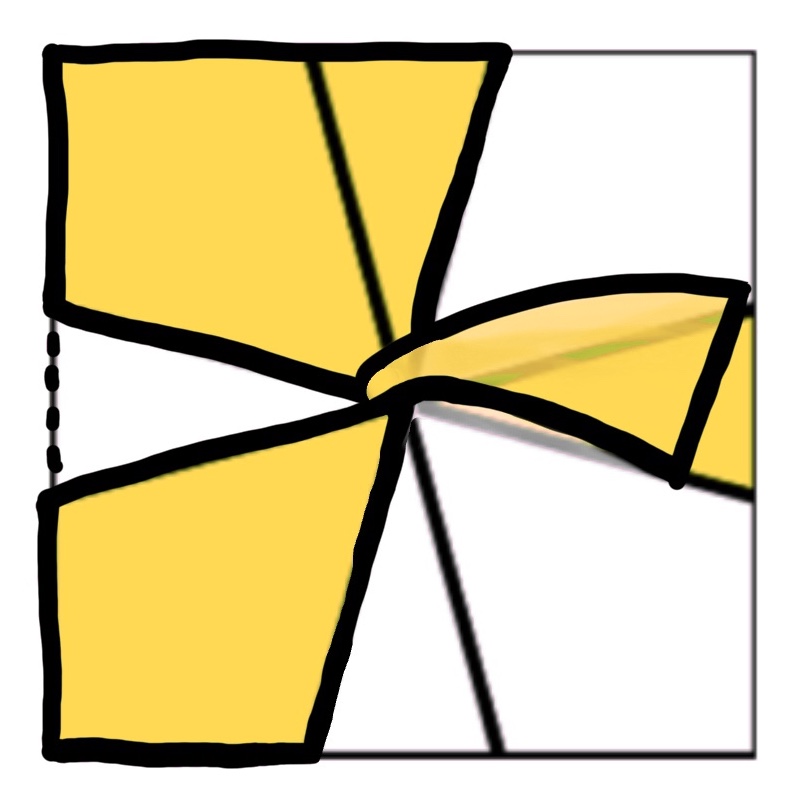 |
| Kite | 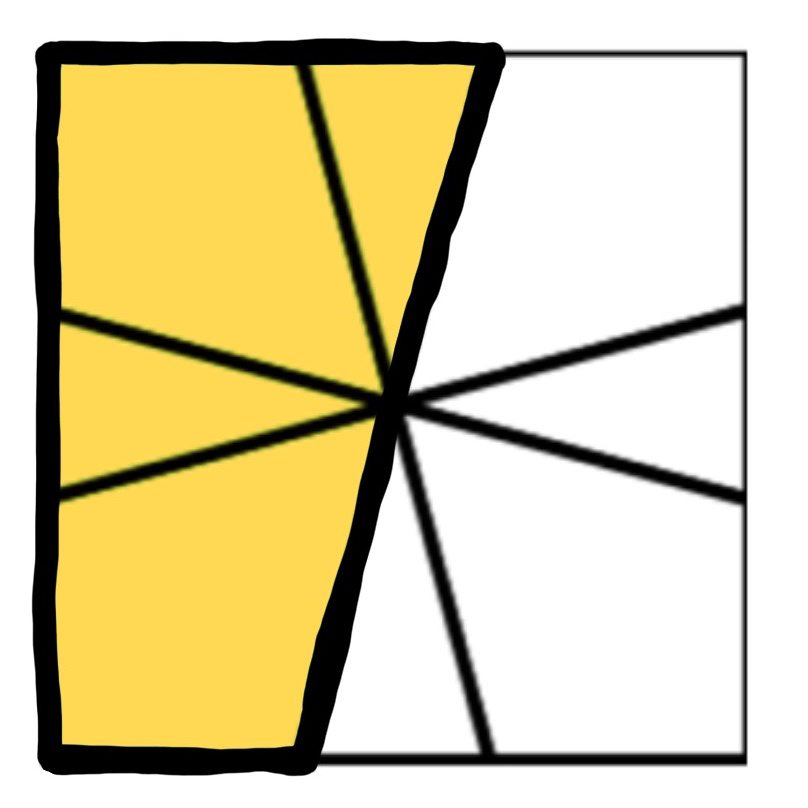 |
|
| Fan | 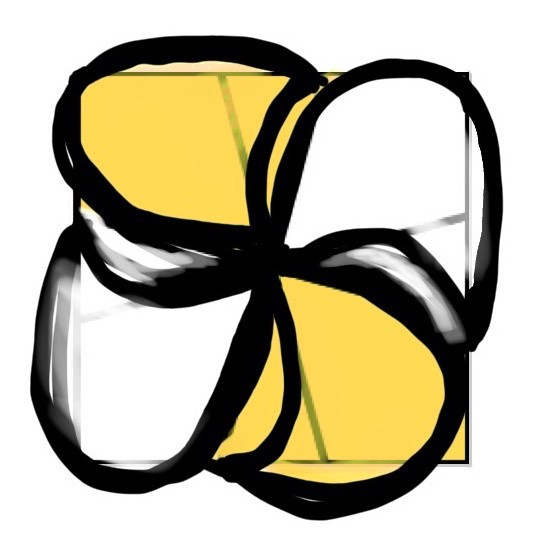 |
|
| Tie | 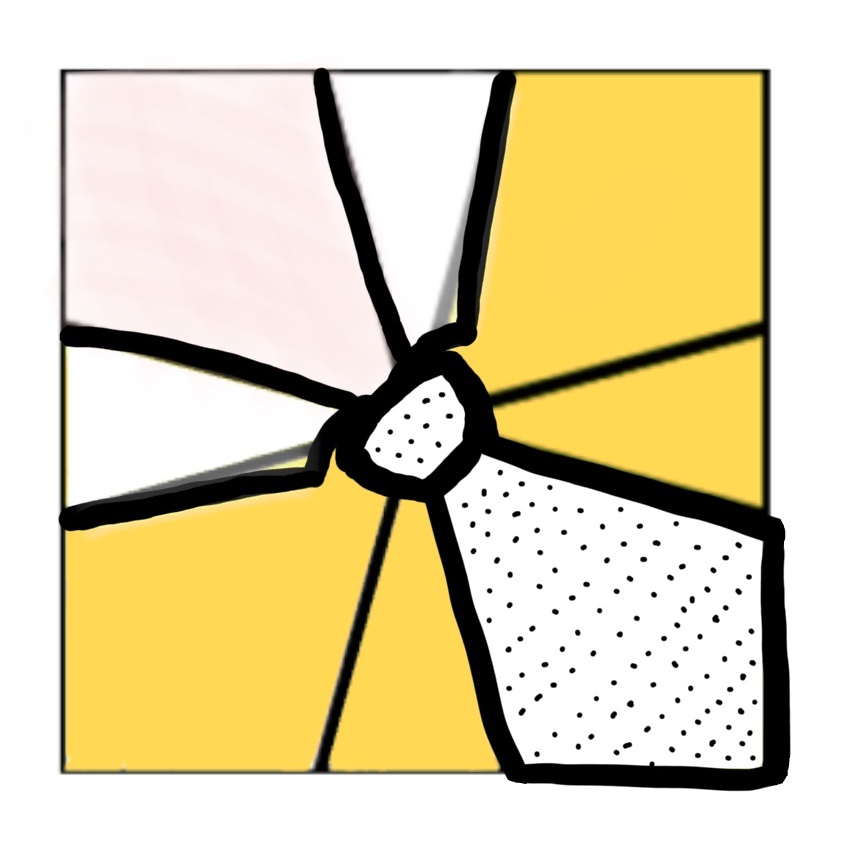 |
|
| Tree | 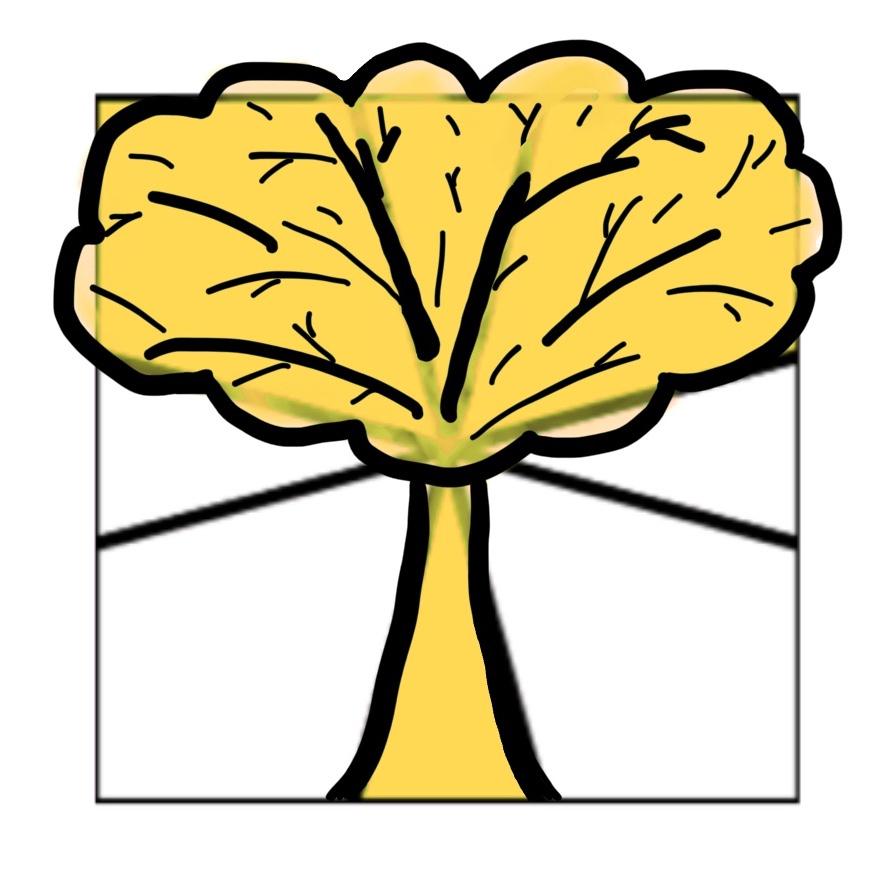 |
|
| 3C0E | 3C | 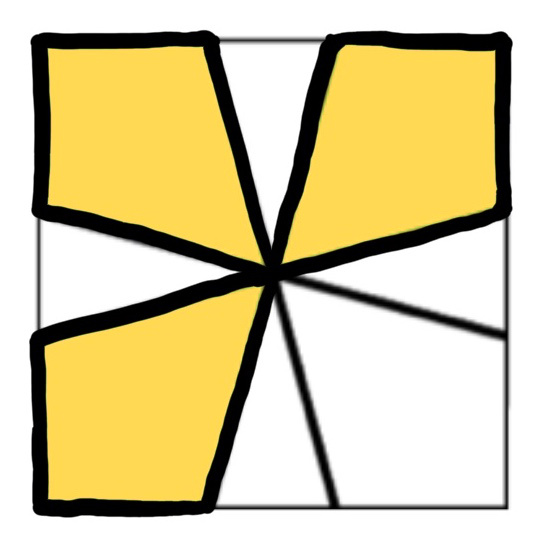 |
Tips
The best way to learn OBL is to start with 2 slash (meaning you make two slice moves to solve OBL) and 3 slash cases, and understand how to convert the case into a familiar one.
This strategy is very similar to the cubeshape.
During actual solve, if you don't recognize a case, you may always use the standard method. So it's very easy to practice OBL during regular solves.
74 cases might sound like a lot, but similarly to cubeshape, each case has a parent case closer to fully solved, and they form a tree. Instead of memorizing the whole moves for each case, you only need to understand how to go to its parent.
Cases
There are 74 cases in total. We list all cases here with their full algorithms and the linkage to parent.
During learning, you may filter by number of slashes away. You may also filter cases by E/C category so you can focus on one of the categories.
When you want to deep dive a case, we show a special view which shows you all the way from the current case to each parent cases.
When we use a "Mirror <Case Name>", we refer to the pattern mirroring that case.
Special note for Tie and Tree: 2C2E case is special because if flipping all its color it's also 2C2E. Therefore, if you get a tree on top side, it's possible you can get a tree of exactly the same color, or of the opposite color. We will differentiate those two cases with Same Tree / Tree or Tree / Tree or Same Tie / Tree. It's important to understand this differentiation during learning, knowing the differentiation and understand visually is more important than understanding the term "Same".
For up to 3 slashes cases, we present all cases including left/right mirrors (e.g. Fan / Kite and Mirror Fan / Mirror Kite) and top/bottom mirrors (e.g. Kite / Fan and Fan / Kite are both shown).
For cases from 4 slashes, we only show one case for each left/right. The rest should be derived intuitively.
| Case Category | Case Name | Image | Algorithm | Parent | Memo |
|---|